
Compare Green Energy Deals UK
Find a renewable tariff that fits your budget. Compare green energy providers side by side, price, renewable mix, exit fees, and customer ratings, all in one place.
Find a renewable tariff that fits your budget. Compare green energy providers side by side, price, renewable mix, exit fees, and customer ratings, all in one place.
Suppliers We Compare
As well as the big names you know, we help you discover new brands that can offer you more.






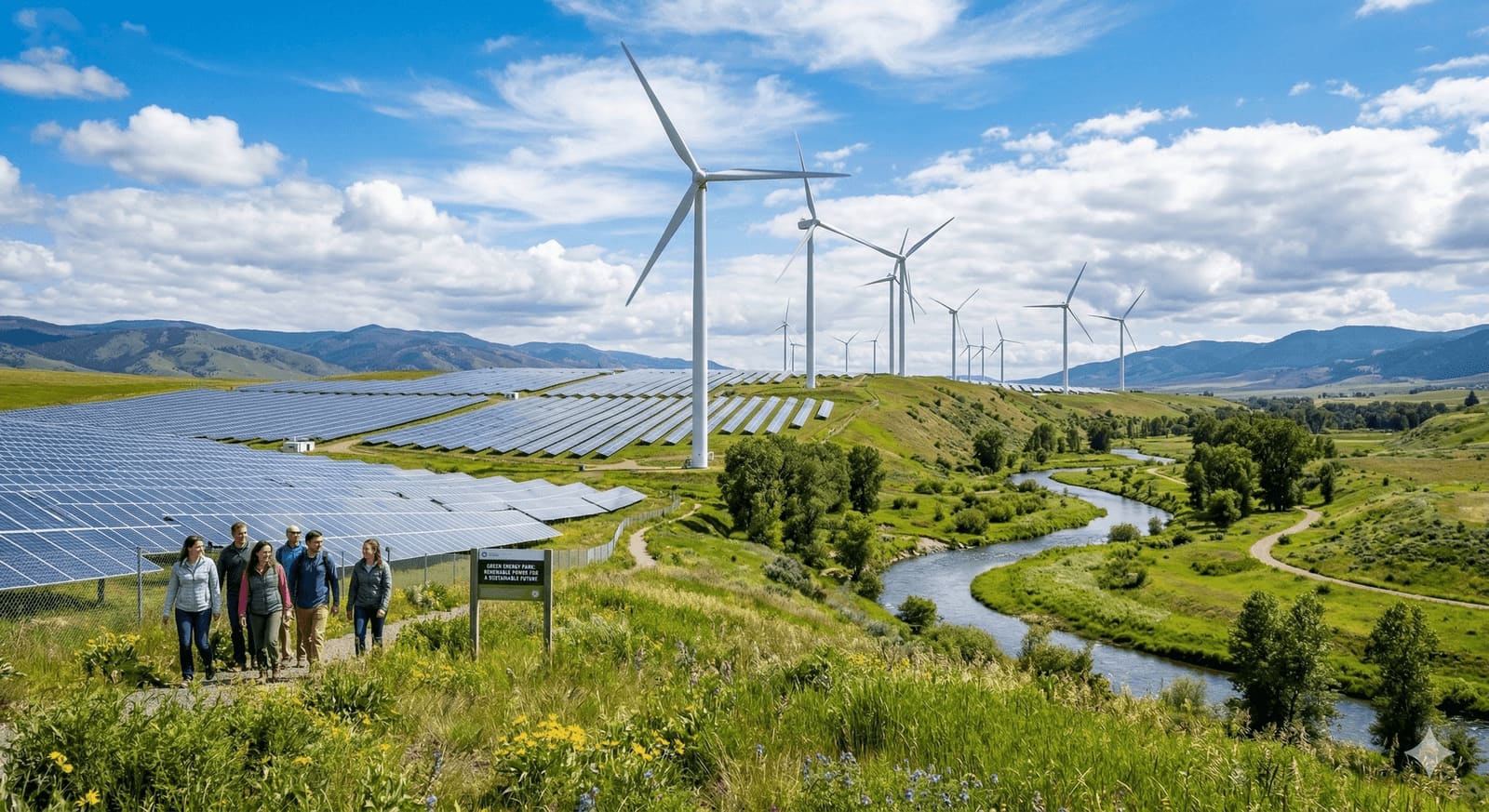
Why Compare Green Energy?
5 Types of Green Energy in the UK
Green energy is electricity and gas produced from natural, renewable sources that replenish themselves and produce little to no harmful emissions.
Solar Power
Solar panels capture sunlight and convert it to electricity. The UK now has millions of solar installations on rooftops and in large solar farms. Even on cloudy days, panels generate power from daylight, not just direct sun.
Wind Energy
The UK hosts some of the world's largest offshore wind farms. Wind turbines convert moving air into electricity and wind is now the single largest source of green electricity in the UK.
Hydroelectric Power
Water flowing through turbines generates clean electricity. Smaller-scale hydro projects are growing across rural UK communities, helping local areas generate their own renewable power.
Biomass Energy
Organic matter, wood chips, agricultural waste, and food waste, can be converted into electricity, heat, or biofuel. Biomass is classed as renewable because the carbon it releases is reabsorbed by growing plants.
Tidal and Wave Energy
The UK has a long coastline with significant tidal power potential. Tidal energy is still growing but represents an important part of the UK's green energy future, particularly for coastal communities.
Benefits of Switching to a Green Energy Tariff
Switching to renewable energy offers environmental, financial, and practical advantages for UK households.
Better for the Environment
Green energy produces little to no direct emissions. Switching one household to a renewable tariff makes a real difference, especially when millions of people do the same.
Prices Are More Affordable Than Ever
Thanks to advances in solar and wind technology, renewable energy is now priced close to, and sometimes below, standard tariffs. You can reduce your carbon footprint without paying a premium.
Price Stability with Fixed Green Tariffs
Fixed-rate green tariffs lock in your unit rate for the contract term, protecting you from sudden price rises caused by global gas and oil market swings.
Energy Self-Sufficiency for the UK
The more energy the UK generates from wind, solar, and hydro, the less it depends on imported gas and oil, helping keep prices more stable for all households.
Support for Renewable Development
Choosing a green tariff sends a clear market signal. When more households demand renewable energy, suppliers invest more in building new solar farms, wind turbines, and clean infrastructure.
Types of Green Energy Tariffs Explained
Not all green tariffs are the same. Understanding the differences helps you choose the right deal for your household.
100% Renewable Electricity
Your electricity is matched unit-for-unit with power from renewable sources. Suppliers use Renewable Energy Guarantee of Origin (REGO) certificates to prove this.
Green Gas Tariffs
Your gas usage is matched with biomethane, a green gas made from organic waste through anaerobic digestion. Full green gas is rare but available from specialist suppliers like 100Green.
Carbon Offset Tariffs
Suppliers offset your emissions by funding environmental projects such as tree planting or renewable development. Less direct than biomethane but still produces a positive environmental impact.
Fixed Green Tariffs
Your unit rate and standing charge are locked in for the contract term. Great for budget certainty, especially ahead of a forecast price cap rise.
Variable Green Tariffs
Rates move in line with the market. These offer flexibility but less predictability than a fixed deal. Consider one when you expect prices to fall.
EV Green Tariffs
Designed for electric vehicle owners, with cheaper overnight rates so you can charge your car using renewable power at the lowest possible cost.
Understanding Green Energy Accreditation
Industry experts use a tiered accreditation system to distinguish how genuinely green a tariff is. Look for these levels when comparing.
← Swipe to see all columns →
Top Green Energy Suppliers in the UK
These suppliers consistently appear among the best options when households compare green energy deals on Switch.
Octopus Energy
One of the UK's most popular suppliers. Offers a wide range of renewable tariffs including smart EV charging plans. Widely praised for its app, customer service, and clean energy investment.
Ecotricity
The UK's original green electricity supplier, founded in 1995. Reinvests revenue into building new renewable infrastructure such as wind parks and solar farms. Has a permanent Ofgem exemption due to its genuine green energy commitment.
100Green
The only UK supplier offering 100% green gas alongside 100% renewable electricity. Uses anaerobic digestion to produce biomethane. Won Best Small Supplier at the 2025 Energy Awards. No exit fees.
Good Energy
Pioneer of time-matched renewables, it works to supply green power at the exact times you use it, not just as an annual average. Well regarded for environmental transparency and reporting.
OVO Energy
A mainstream supplier with strong green credentials. Matches 100% of supplied electricity with renewable sources and invests in community energy projects through its Planting Promise.

Is green energy genuinely better, or just greenwashing?
How to Compare Green Energy Providers on Switch: 5 Steps
Find a green tariff that works for your budget and your values. The whole process takes under 5 minutes.
Enter Your Postcode
Type your postcode into the Switch comparison tool. Energy deals vary by region, so your postcode ensures you only see tariffs genuinely available at your address.
Tell Us About Your Usage
Enter your estimated energy usage in kWh or share your current bill details. The more accurate your figures, the more precise your comparison. Your annual kWh usage is on any recent energy bill.
Filter for Green Deals
Use the green energy filter to show only renewable tariffs. Also filter by tariff type (fixed or variable), contract length, payment method, and whether exit fees apply.
Review the Results
Each deal shows annual cost estimate, renewable energy percentage, tariff type, exit fees, and green accreditation level. Compare like for like and pick the deal that fits your priorities.
Switch in Minutes
Once you've picked your deal, Switch guides you through. Your new supplier handles everything, including notifying your old supplier. No interruption to supply. 14-day cooling-off period included.
What to Look for When Comparing Green Tariffs
Eight things to check before committing to a new green energy deal.
Renewable percentage
Is it 100% renewable electricity, or a blend? Check the published fuel mix. Most reputable green suppliers make this easy to find.
Green gas inclusion
Does the tariff include biomethane or carbon-offset gas, or is it electricity only? Full green gas is rarer and offered by specialist suppliers only.
Tariff type
Fixed gives you price certainty for the contract term. Variable offers flexibility but no protection against price cap rises.
Contract length
Longer fixed deals can lock in lower rates but often carry higher exit fees. Shorter fixes offer more flexibility.
Exit fees
Some green tariffs, including 100Green, have no exit fees at all. Check before signing up.
Customer service rating
Look at independent reviews on Trustpilot and Citizens Advice. Customer service quality varies significantly across green suppliers.
Accreditation level
Bronze, Silver, or Gold tells you how genuinely green the tariff is. Look for Gold (PPA-backed) if maximum environmental impact matters.
Smart meter compatibility
EV and time-of-use green tariffs typically require a SMETS2 smart meter. Check compatibility before switching if you want the full range of green tariff options.
What Is Green Gas and How Does It Work?
Do You Need a Smart Meter for Green Energy?
You don't need a smart meter to switch to a green tariff, but there are good reasons to consider getting one.
Not required for most tariffs
Standard credit meters work fine for most green energy deals. You can switch to a renewable tariff without arranging a smart meter installation.
Required for EV and time-of-use tariffs
EV charging plans and off-peak green tariffs require a SMETS2 meter capable of half-hourly readings. Ask your new supplier about compatibility before switching.
Better usage tracking
Smart meters give you accurate, real-time energy data, making it easier to manage your consumption, reduce waste, and avoid estimated bills.
Required for the Smart Export Guarantee (SEG)
If you have solar panels, a smart meter is usually needed to qualify for the SEG, which pays you for surplus electricity you send back to the grid.
Green Energy and the Ofgem Price Cap

Solar Panels and the Smart Export Guarantee
Frequently Asked Questions: Green Energy UK
Is green energy more expensive than standard energy?
Not necessarily. Green energy tariffs are now priced very similarly to standard deals, and fixed green tariffs can often be cheaper than a standard variable tariff at the Ofgem cap. When you compare green energy on Switch, you may be surprised by how competitive the prices are.
What does 100% renewable electricity actually mean?
Can I get green gas as well as green electricity?
How do I know if a green tariff is genuinely green?
Will switching to green energy affect my supply?
What are REGOs and PPAs?
Is there a best time to switch to a green energy tariff?
Compare Green Energy Deals Now: Takes Under 5 Minutes
Switch compares green energy tariffs from the UK's leading renewable suppliers. Whether you want the cheapest deal, the greenest tariff, or the best customer service, we lay out everything clearly so you can choose with confidence.
Latest from our experts

How to Cut Your Household Bills: A Practical Checklist
The biggest household savings usually come from a handful of recurring bills you set once and forget. This checklist walks through energy, broadband, mobile and the silent subscriptions — and the order to tackle them in.

eSIM vs Physical SIM: Which Should You Choose?
eSIMs let you switch network without waiting for a SIM in the post — but they are not right for everyone. Here is how eSIMs work, the pros and cons versus a physical SIM, and how to check if your phone supports one.
How to Run a Broadband Speed Test (and What the Numbers Mean)
Download, upload, ping, jitter — a broadband speed test throws a lot of numbers at you. Here is how to run one properly and read the results, so you know whether your connection is underperforming or you simply need a better deal.

How to Switch Energy Supplier: A Step-by-Step Guide
Switching energy supplier takes minutes to start and about five working days to complete — with no interruption to your gas or electricity. Here is exactly how it works, what you need, and the traps to avoid.

SIM-Only vs Contract 2026: Real Savings + How to Switch
Out of contract? You could save around £300 a year by going SIM-only. We do the 24-month maths, then walk you through PAC, STAC and eSIM switching in under an hour.

Broadband Mid-Contract Price Rises 2026: Can You Escape?
Most big UK providers added £3–£4 a month to broadband bills in April 2026. Here’s who charges what, when you can cancel penalty-free, and the tariffs that never raise prices mid-contract.

What Your Appliances Cost to Run From July 2026
Electricity hits 26.11p/kWh on 1 July 2026. We’ve priced every major appliance per use and per year — and found the swaps that save £100+ without going cold.

Energy Price Cap July 2026: New Rates & Should You Fix?
Ofgem’s price cap rises 13.5% to £1,862 a year from 1 July 2026. See the new unit rates and standing charges, what the rise really means for your bill, and whether fixing now beats the cap.