Compare restaurant energy across 30+ UK suppliers in 60 seconds — save up to £3,200/year on gas and electricity, free.
Compare Restaurant Energy DealsEnergy for Restaurants UK — Compare & Save
Compare restaurant energy across 30+ UK suppliers in 60 seconds — save up to £3,200/year on gas and electricity, free.
Compare Restaurant Energy Deals
Energy for Restaurants UK — The Real Cost Drivers
Why Restaurant Energy Bills Are Higher Than Other Businesses
Energy for restaurants UK is among the most demanding of any sector. Kitchens run equipment at maximum load for hours — refrigeration never stops, extraction runs constantly.
24/7 Refrigeration
Walk-in cold rooms, prep fridges, and bottle coolers run continuously. Refrigeration alone averages 70 kWh/day in a mid-size restaurant.
High-Heat Cooking Equipment
Commercial ovens, chargrills, and fryers demand peak power simultaneously during service. A single combi oven draws 5–12 kW.
Extraction & Ventilation
Kitchen canopies and HVAC run at full capacity throughout service — 15–25% of total electricity consumption.
Hot Water Demand
Dishwashers, glasswashers, and handwashing stations use gas-heated water throughout the day — a major driver of gas consumption.
Long Opening Hours
Restaurants open for lunch and dinner run 12–16 hours of lighting, POS, and heating daily — more than most SMEs.
No Price Cap Protection
Unlike households, no Ofgem cap on business energy. Without regular comparison, restaurants end up on rates 40–100% more expensive.
Typical Restaurant Energy Usage & Annual Bills (2026)
Based on 2026 UK business electricity rates of 22–30p/kWh and gas rates of 6.5–9p/kWh. Actual bills vary by location, equipment mix, and contract type.
← Swipe to see all columns →
How to Compare Energy for Restaurants UK — 4 Steps
Under 60 seconds. No paperwork. No calls to your existing supplier.
Enter Your Postcode
Switch finds your MPAN/MPRN, current supplier, and annual usage automatically from industry databases. No bill required to start.
Confirm Your Usage
Review auto-pulled kWh figures or enter your own from a recent bill. The more accurate the data, the sharper the quotes.
Compare Live Tariffs
Every available tariff ranked by total annual cost — not commission. Filter by contract length, fixed/variable, green, exit fees.
Switch & Save
Confirm your deal online. Switch and your new supplier manage the entire transfer. Supply never interrupted.
Which Energy Tariff Is Right for Your Restaurant?
Choosing the right contract type is as important as choosing the right unit rate.
Fixed-Rate — Most Popular
Lock unit rate for 1–3 years. Best for budget certainty and protection from market volatility. Exit fees £50–£150/fuel. Available 12, 24, 36-month terms.
Variable-Rate
Moves with wholesale market. Can save when prices fall but exposes you to rises. Not recommended for most restaurants in 2026 given forecast increases.
Economy 7 / Time-of-Use
Cheaper overnight rates (midnight–7am). Ideal for restaurants open primarily evenings or with significant overnight refrigeration loads.
Renewable / Green Energy
100% REGO-backed electricity matched kWh-for-kWh. Premium has largely disappeared in 2026 — many suppliers offer green at no extra cost.
7 Proven Ways to Reduce Restaurant Energy Bills
Switching supplier is the fastest single action. Combining a better tariff with efficiency improvements can reduce your bill 20–35%.
Clean refrigeration condensers monthly
A dusty coil forces the compressor to work 20% harder. Monthly cleaning + door seal checks on all walk-ins, prep fridges, and bottle coolers. Save £200–£400/year per unit.
Stagger equipment start times at opening
Turning everything on simultaneously creates a massive demand spike. Stagger by 10–15 minutes to reduce peak load charges. Save £150–£350/year.
Switch to LED lighting throughout
Kitchen and restaurant floor lighting runs 12–16 hours/day. LEDs use 60–75% less electricity. Payback typically under 18 months. Save £300–£600/year.
Install variable-speed drives on extraction
Most canopy extraction runs at 100% continuously. VSDs match fan speed to actual heat load — reducing extraction electricity by 30–50%. Save £400–£900/year.
Use smart meter half-hourly data
Review weekly to identify vampire loads — equipment drawing power when closed. Common culprits: heated gantries, display units, POS left on overnight. Save £200–£500/year.
Insulate hot water pipes
Uninsulated pipes lose heat before reaching dishwashers. Foam pipe lagging on exposed runs pays back within months. Save £100–£250/year.
Forward-purchase your next contract
Lock in a new rate up to 12 months before expiry. Securing early during stable markets protects you if wholesale prices spike before renewal. Avoid 15–40% rate increases.
VAT & Climate Change Levy on Restaurant Energy
Two government charges sit on every restaurant energy bill. Many hospitality businesses are overpaying on one or both.
VAT on Restaurant Energy
Most restaurants pay 20% VAT. If your usage is under 33 kWh/day electricity or 145 kWh/day gas, you qualify for the reduced 5% VAT rate. Your supplier applies this only if they hold correct data — request a review when comparing with Switch.
Climate Change Levy (CCL)
Charged at 0.78p/kWh on both electricity and gas in 2026. For a mid-size restaurant using 40,000 kWh electricity + 50,000 kWh gas, CCL adds ~£702/year. Ask about CCL relief if your business qualifies as energy-intensive or holds a Climate Change Agreement.
Compare Restaurant Energy — Free in 60 Seconds
Frequently Asked Questions — Restaurant Energy UK
How much does energy cost for a restaurant in the UK in 2026?
A small cafe: £5,000–£9,600/year. Mid-size (50–100 covers): £12,000–£21,600/year. Large/gastropub (100+ covers): £22,000–£38,400/year. Based on 2026 rates of 22–30p/kWh electricity and 6.5–9p/kWh gas.
Is there a price cap on restaurant energy in the UK?
What happens when my restaurant energy contract ends?
Can I switch energy supplier mid-contract?
How long does it take to switch restaurant energy?
Is Economy 7 a good tariff for restaurants?
Compare Restaurant Energy with Switch — Free & Independent
Switch compares energy for restaurants UK across 30+ suppliers in under 60 seconds. Free, independent comparison — no hidden fees, no obligation. Expert advisers available at 01926 942125.
Latest from our experts

How to Cut Your Household Bills: A Practical Checklist
The biggest household savings usually come from a handful of recurring bills you set once and forget. This checklist walks through energy, broadband, mobile and the silent subscriptions — and the order to tackle them in.
eSIM vs Physical SIM: Which Should You Choose?
eSIMs let you switch network without waiting for a SIM in the post — but they are not right for everyone. Here is how eSIMs work, the pros and cons versus a physical SIM, and how to check if your phone supports one.
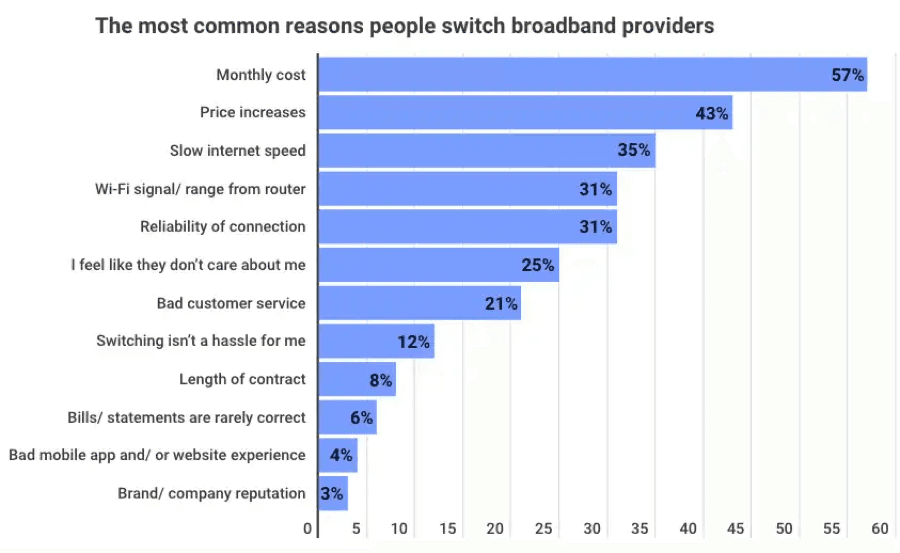
How to Run a Broadband Speed Test (and What the Numbers Mean)
Download, upload, ping, jitter — a broadband speed test throws a lot of numbers at you. Here is how to run one properly and read the results, so you know whether your connection is underperforming or you simply need a better deal.
How to Switch Energy Supplier: A Step-by-Step Guide
Switching energy supplier takes minutes to start and about five working days to complete — with no interruption to your gas or electricity. Here is exactly how it works, what you need, and the traps to avoid.

SIM-Only vs Contract 2026: Real Savings + How to Switch
Out of contract? You could save around £300 a year by going SIM-only. We do the 24-month maths, then walk you through PAC, STAC and eSIM switching in under an hour.

Broadband Mid-Contract Price Rises 2026: Can You Escape?
Most big UK providers added £3–£4 a month to broadband bills in April 2026. Here’s who charges what, when you can cancel penalty-free, and the tariffs that never raise prices mid-contract.

What Your Appliances Cost to Run From July 2026
Electricity hits 26.11p/kWh on 1 July 2026. We’ve priced every major appliance per use and per year — and found the swaps that save £100+ without going cold.

Energy Price Cap July 2026: New Rates & Should You Fix?
Ofgem’s price cap rises 13.5% to £1,862 a year from 1 July 2026. See the new unit rates and standing charges, what the rise really means for your bill, and whether fixing now beats the cap.